An “Accidental Tourist” Journey to the Past
After a night of fun in Havana, the second full day of our Cuban tour headed west to the Pinar del Rio region of the country. In this part of the Cuba, you can find, farming, caverns, eco-tourism, mountain climbing and of course, the Cigar Industry.
Off to Valle de Viñales
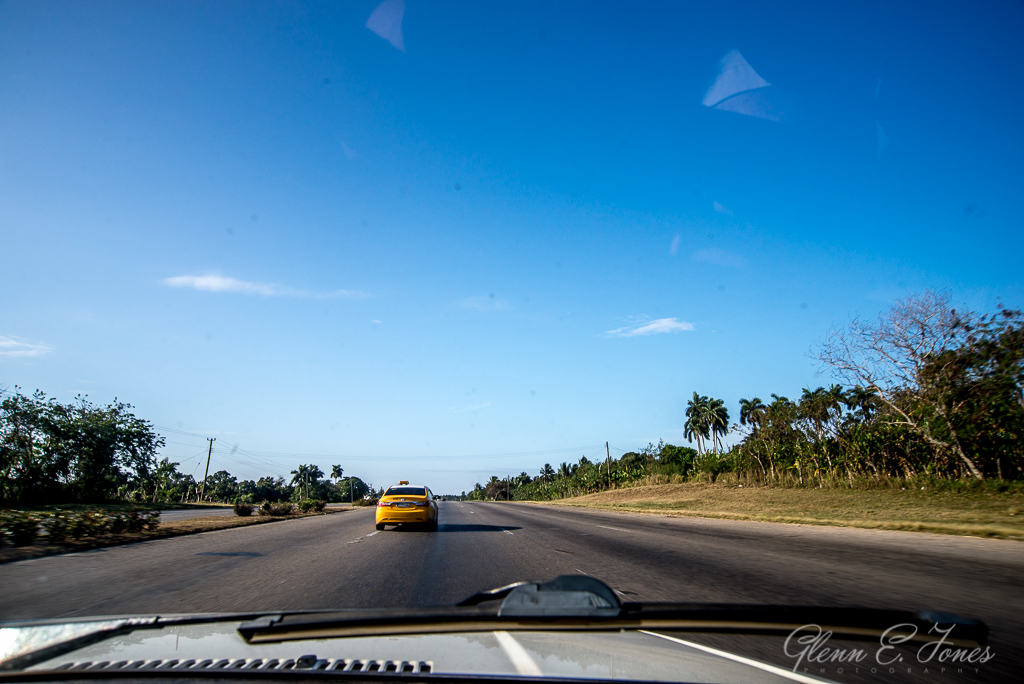
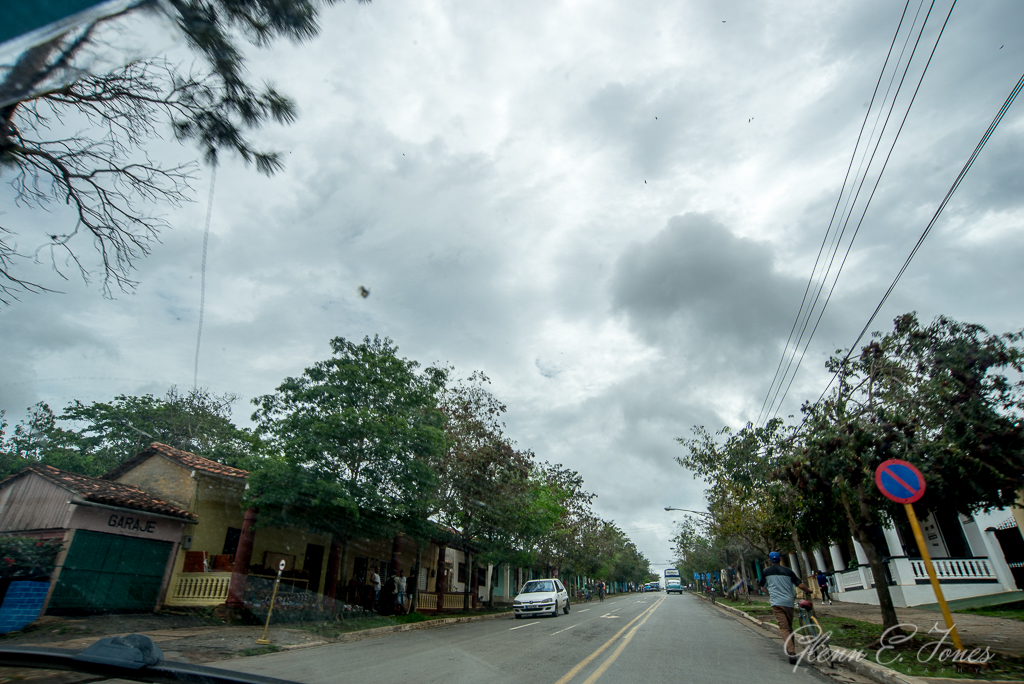
As with each morning, I started my day with a wonderful breakfast, followed by a brief walk to the ocean. Clearly, there’s nothing like the smell of the sea to jump-start your day. After spending a few minutes at the coast, the group picked me up as I walked back to Claudia’s Airbnb home. I climbed in the front seat, and we were off. This day started out as overcast. The forecast had suggested today would be a rainy one. Yet, we still had hope. The day before had a similar forecast and ended up being perfect to stroll through Old Havana. As we drove west, I noticed several things. On this Saturday, people were still trying find transportation wherever they could. The bus stops were packed with travelers. Secondly, the number of people riding high quality road bikes in packs were noticed during the first hour. They almost looked like riders from the Cuban version of the “Texas MS 150.” Upon clearing the coastal region, the sun came out, the clouds faded, and the skies began to clear. After snapping a few dozen driving photos, I settled in and tried to sleep off lingering effects from the previous night’s adventure at Fábrica de Arte Cubano and perhaps one too many mojitos. Waking up an hour later, the clear skies were gone with dark, menacing clouds now in front of us and along the mountain range to our right. It’s nearly a 3-hour drive, so driving through different atmospheric events would be quite possible.
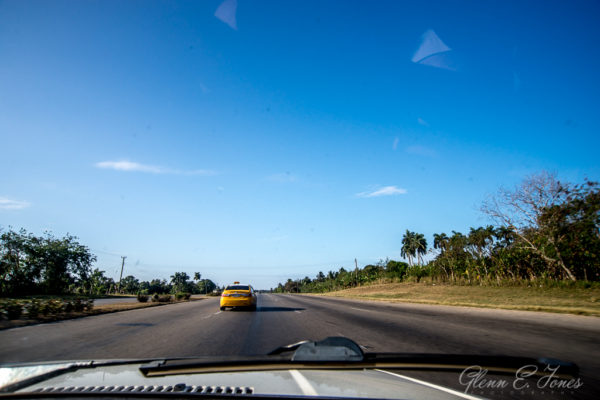
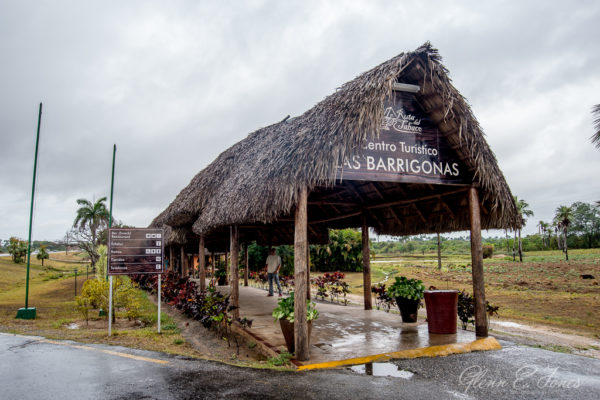
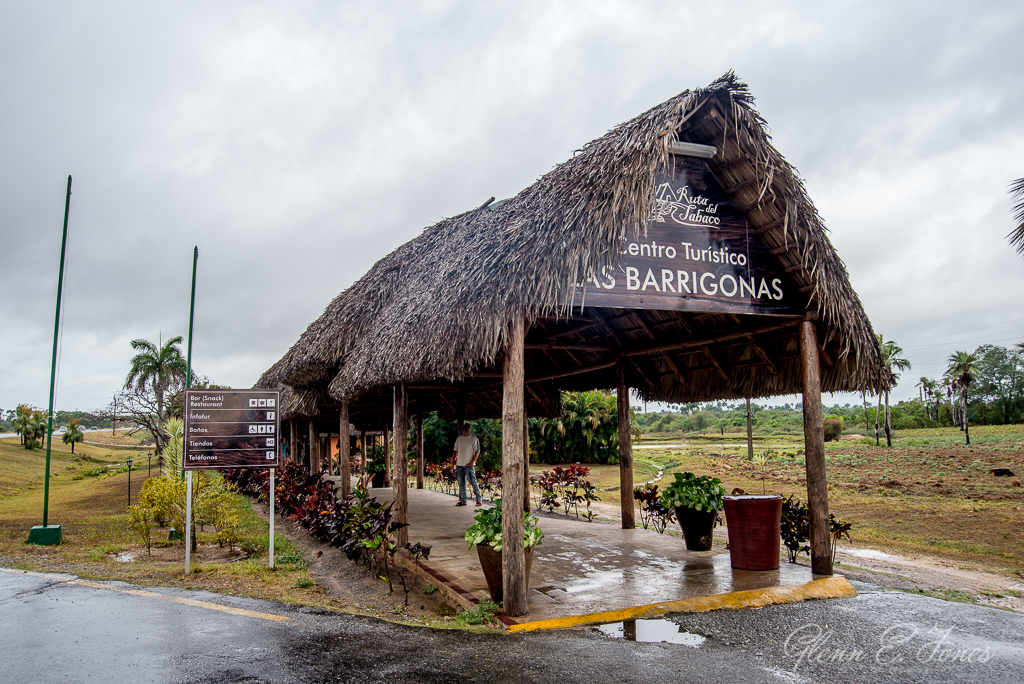
On the road, I saw many things you would never see in the United States. How often do you see horse drawn buggies on a 4-lane highway with cars doing 60-70mph? Or, how many times do you see a major highway overpass not attached to a road? This was the norm during this stretch of the journey. You could see vast stretches of unoccupied land with the occasional horse drawn cart and people standing under bridges to “nowhere.” And now, the rain began to fall, lots of rain. We stopped at a “rest area.” I’m guessing the rain affects you that way, or was it that amazing Cuban coffee at Claudia’s home. Half of the riders took advantage of the stop. While the facilities are free, there’s a man in the parking lot collecting money. They charge you to park! Unlike the US, this rest area is a private business. I didn’t see how much is cost but I did see currency exchanged. And then we were off.
Pinar del Rio Region
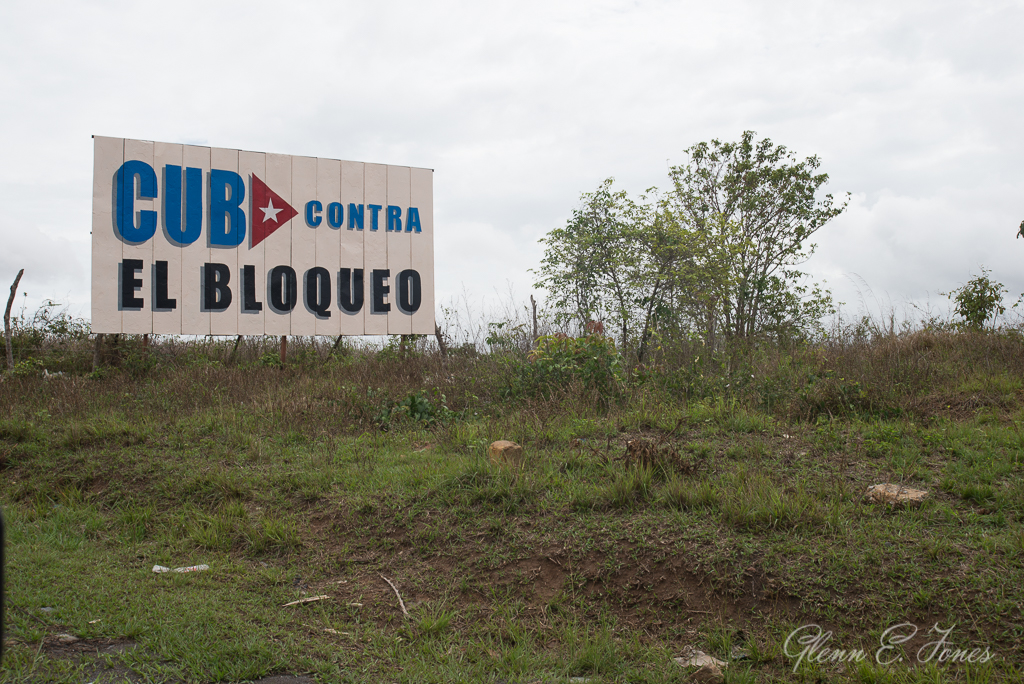
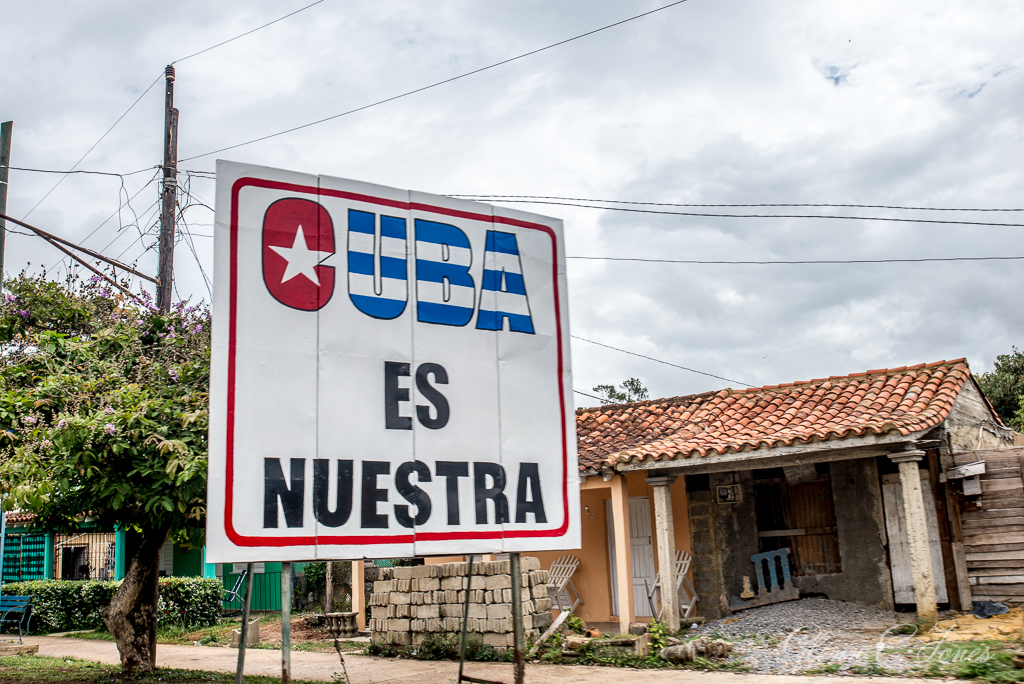
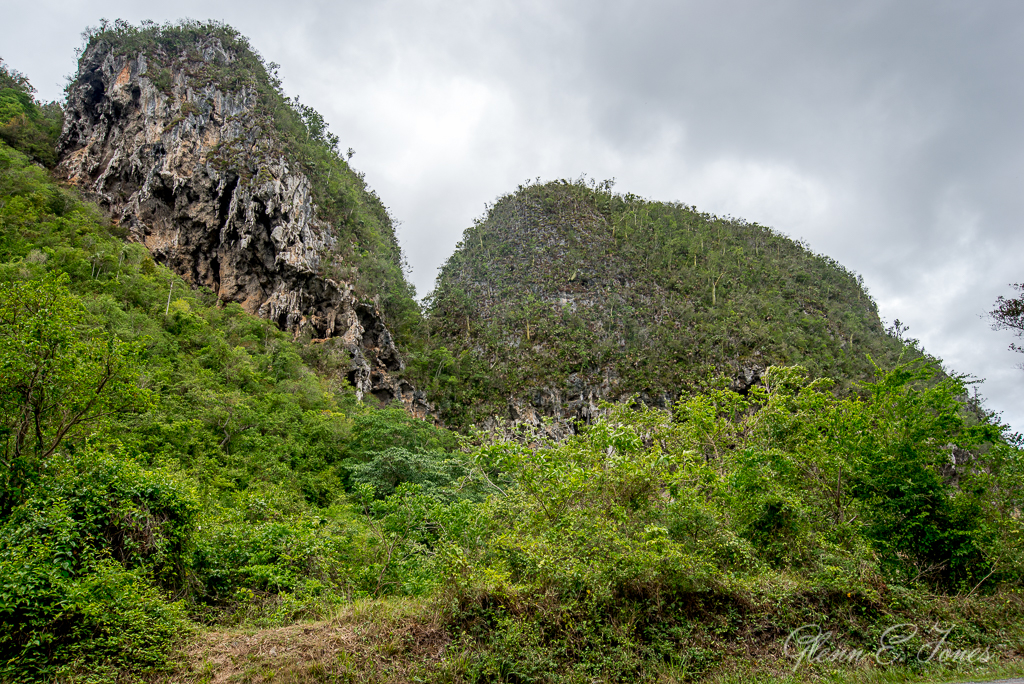
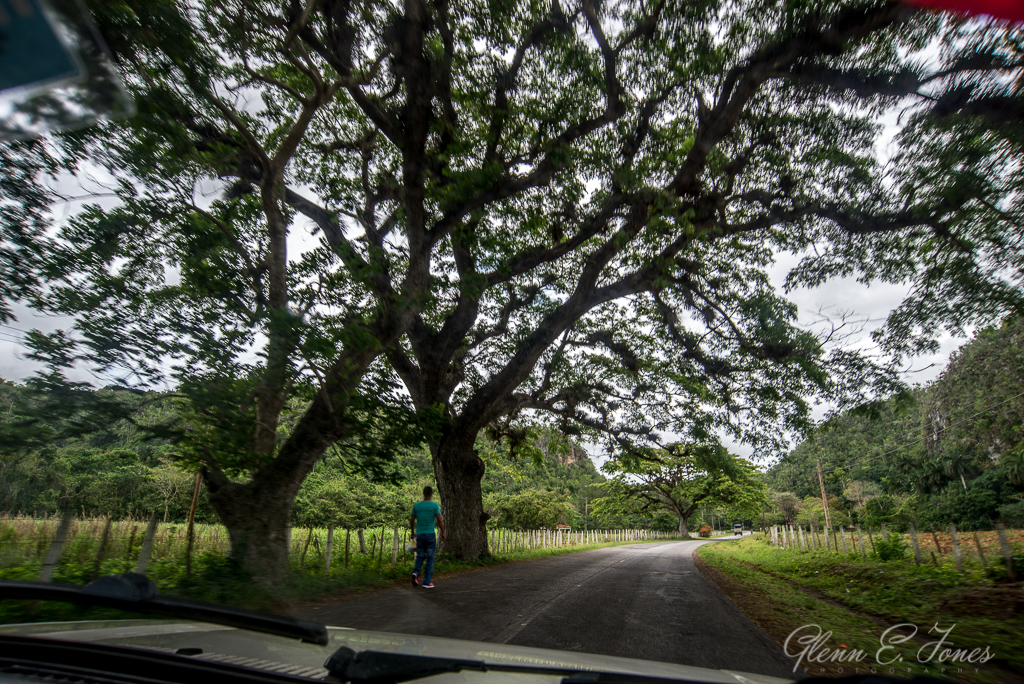
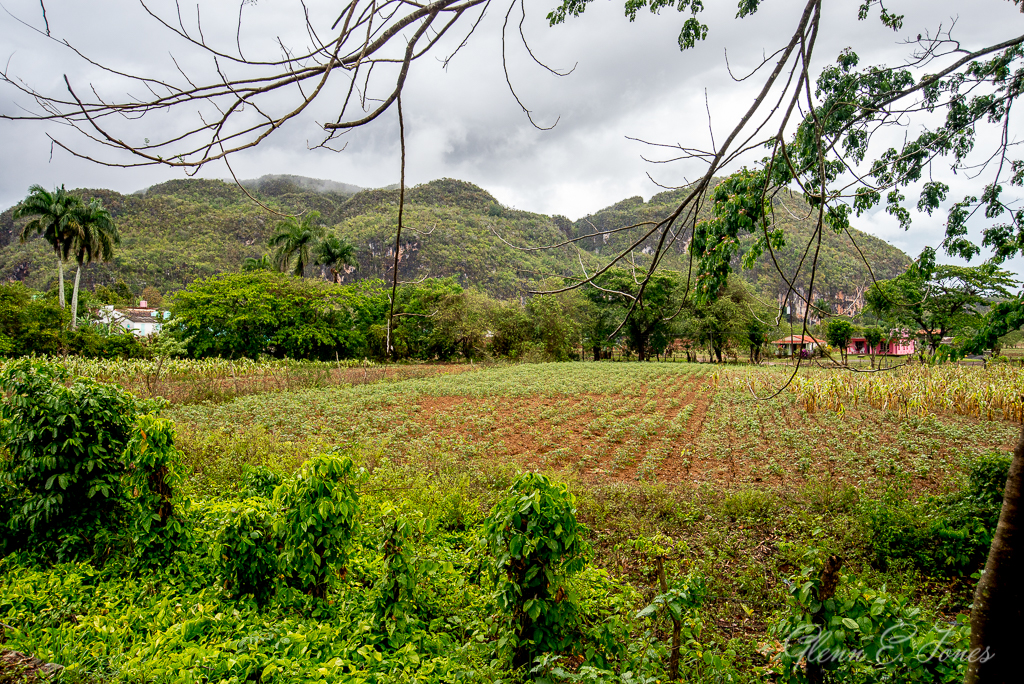
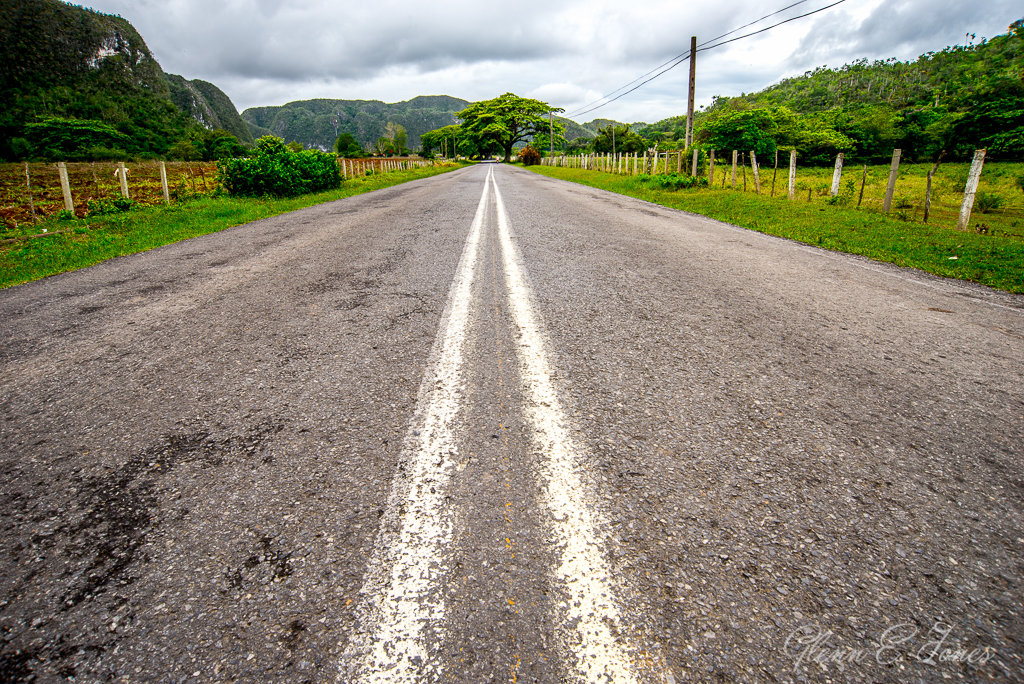
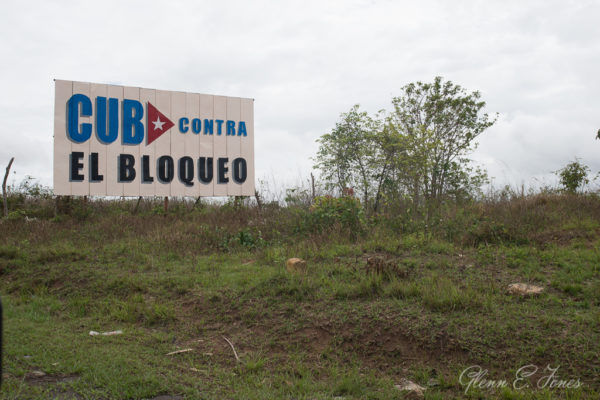
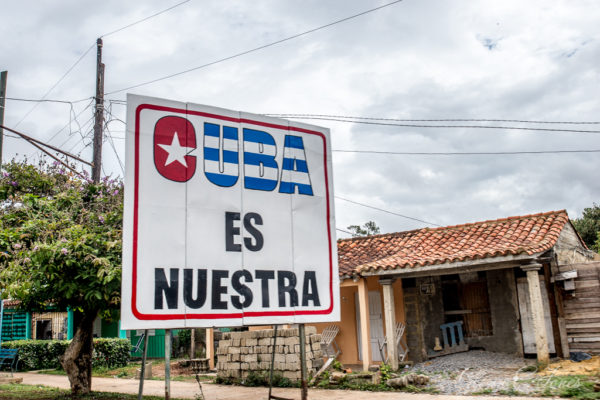
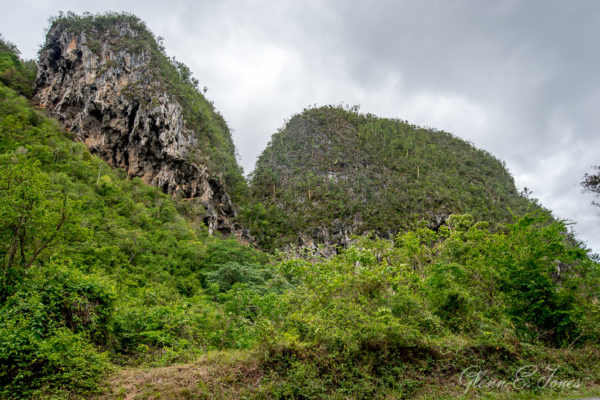
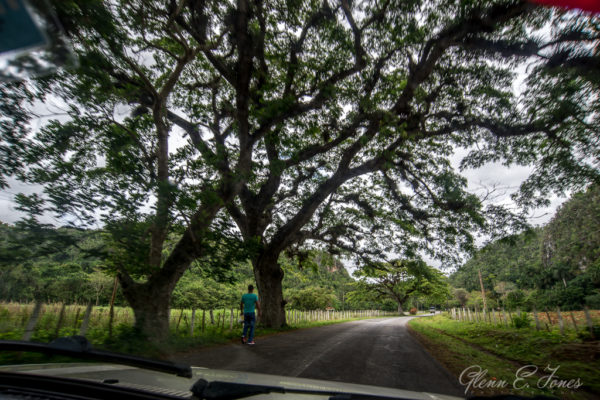
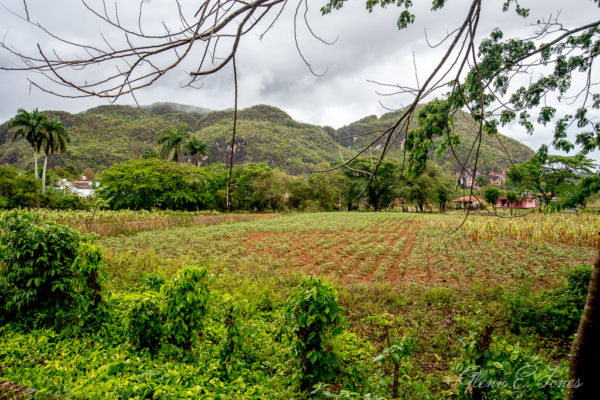
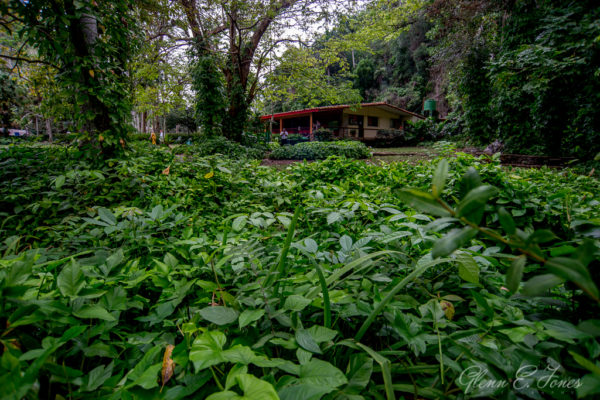
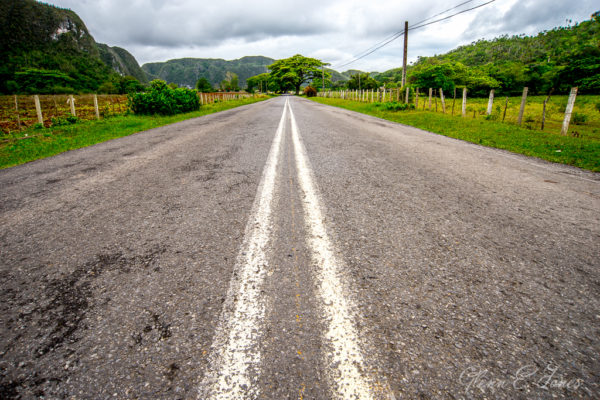
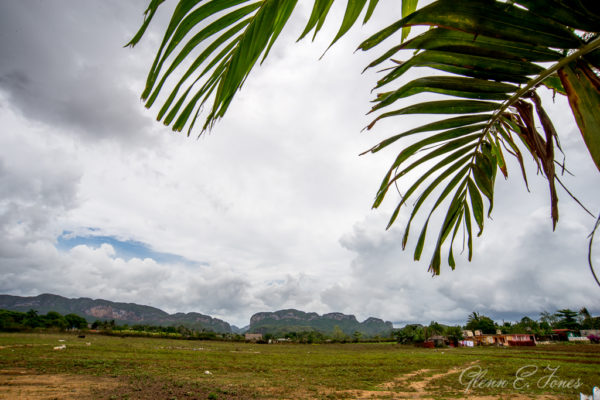
A few miles down the road, we turned right into the Pinar del Rio Region of the country. There, the road became narrow, the view more scenic. We drove through several small villages, where Fidel Castro and Cuba signs were prominent and freshly painted. The views of “old Cuba” felt stronger, at least in this part of the drive. Pinar del Río is a tobacco-rich province in western Cuba. In the provincial capital, the cigar-making process is shown at the Fábrica de Tabacos Francisco Donatien. North lies the fertile Viñales Valley with striking rounded limestone hills. Viñales village, with its wooden bungalows and cultural center, is a base for visiting the vast cave system of Gran Caverna de Santo Tomás.
Viñales Valley
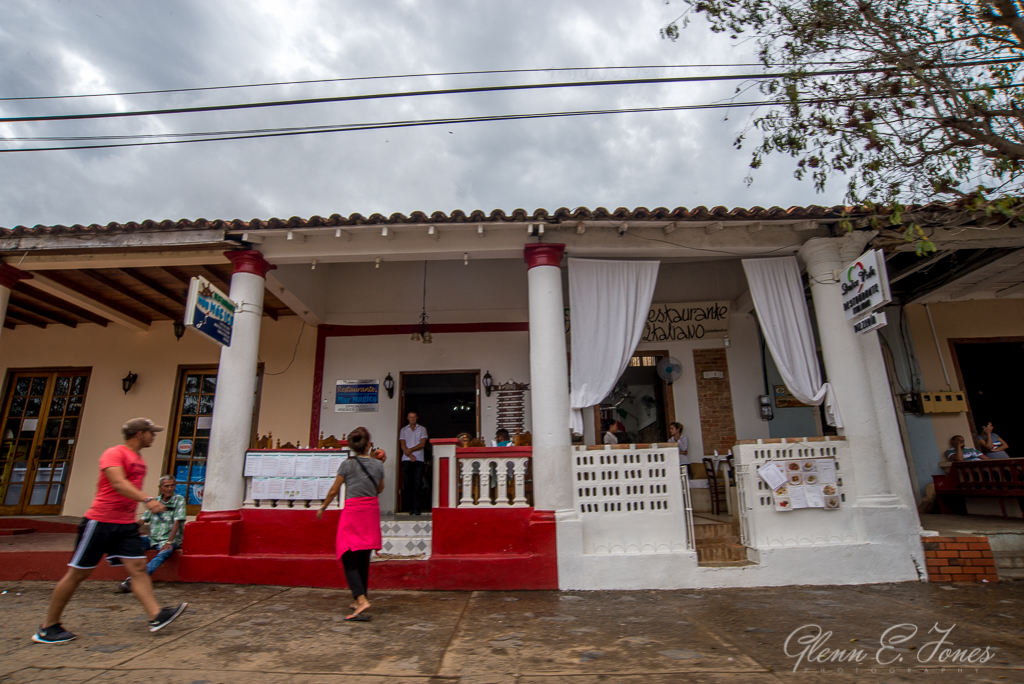
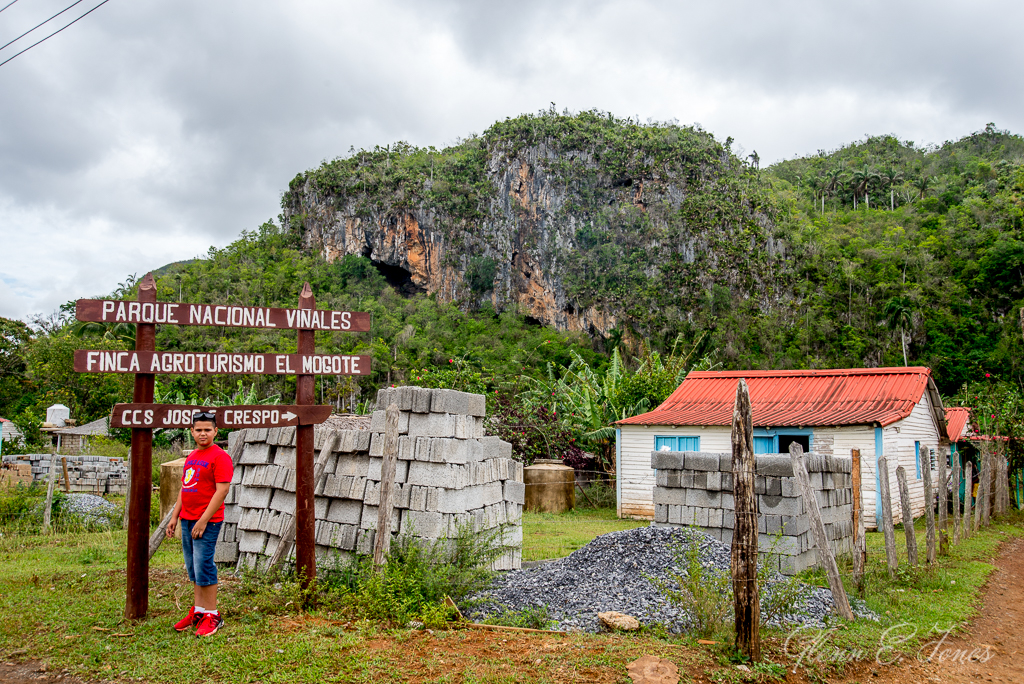
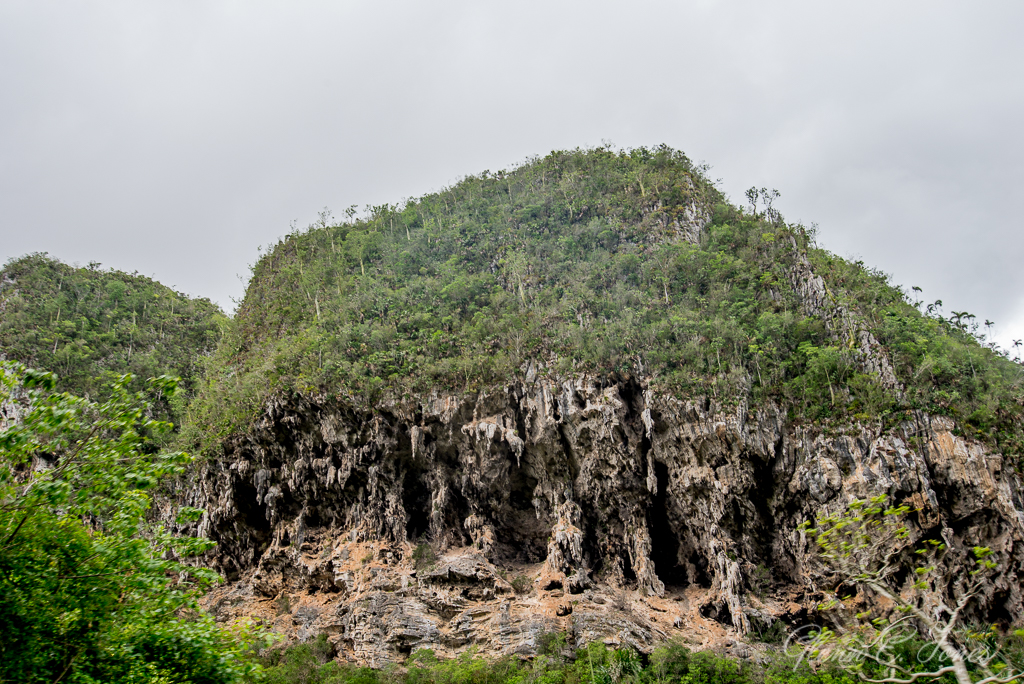
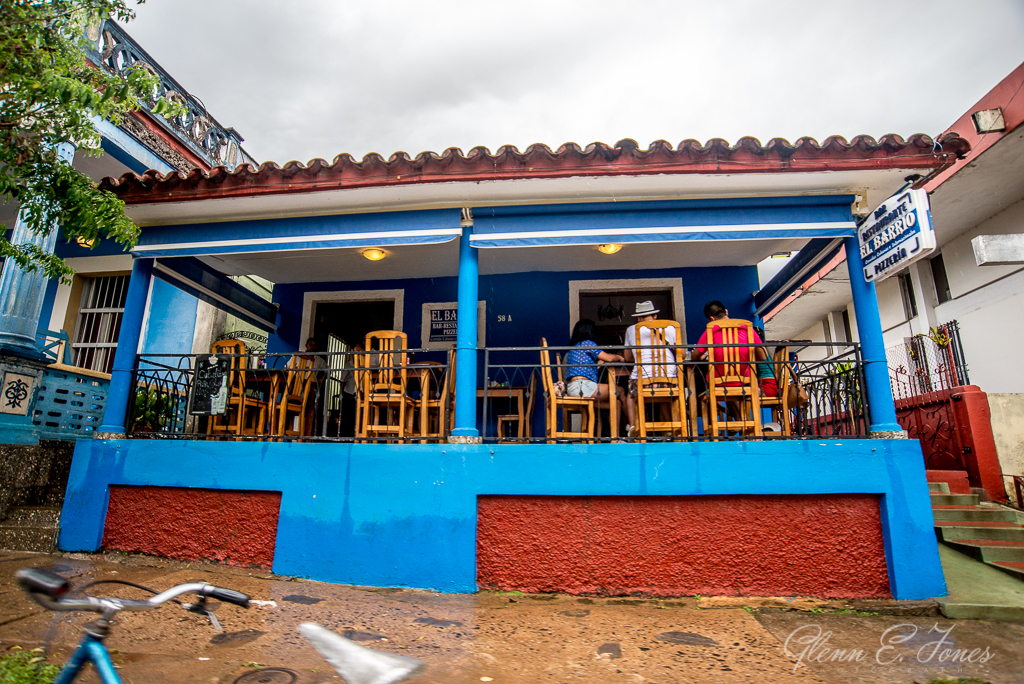
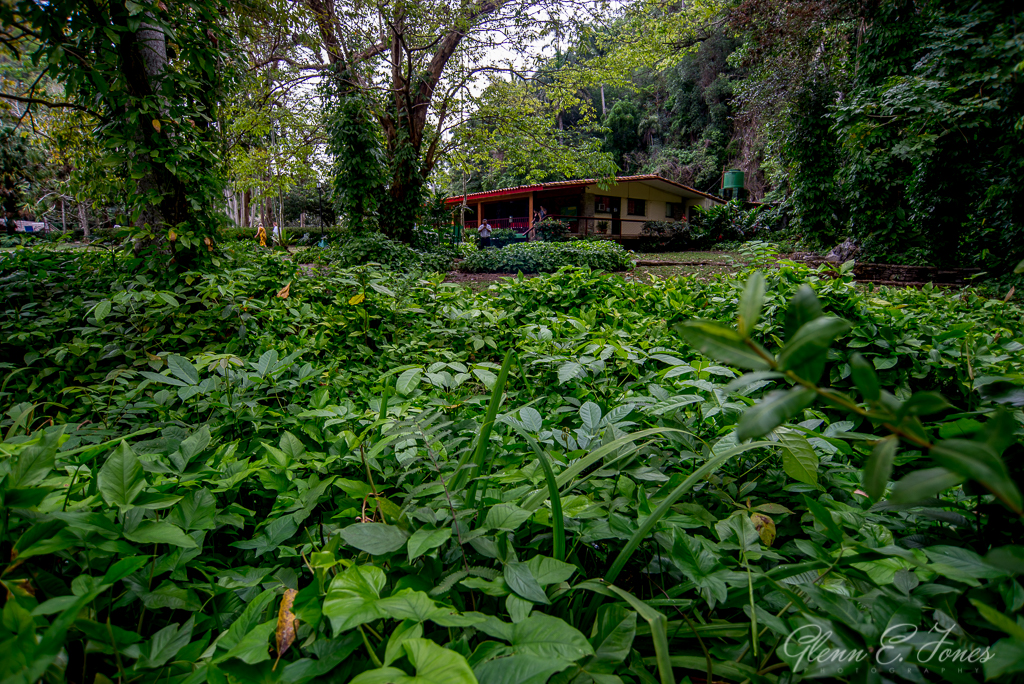
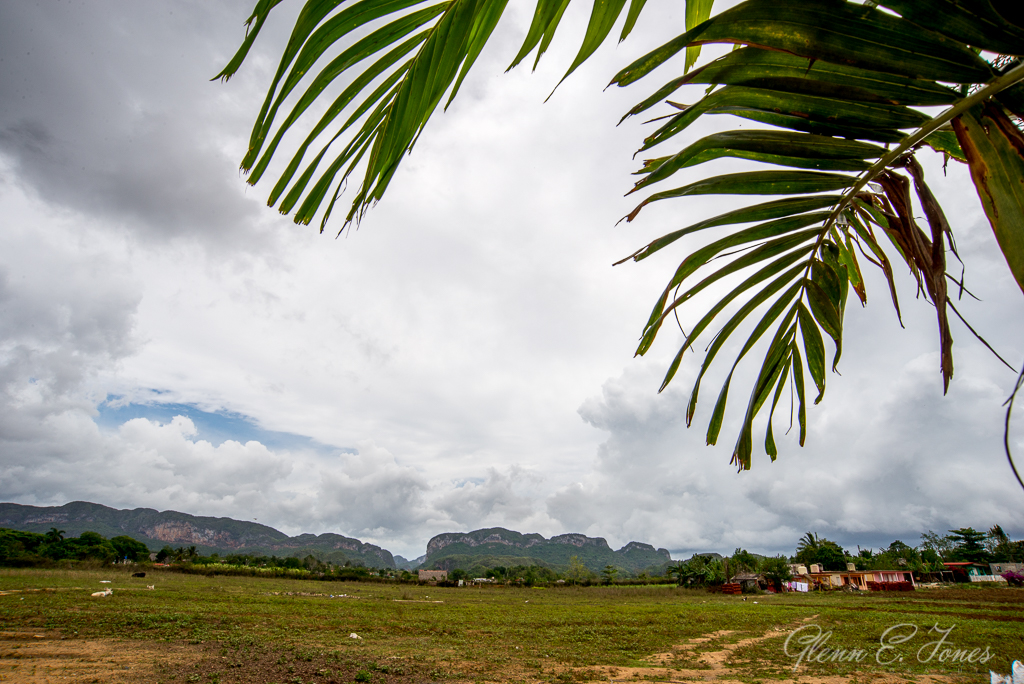
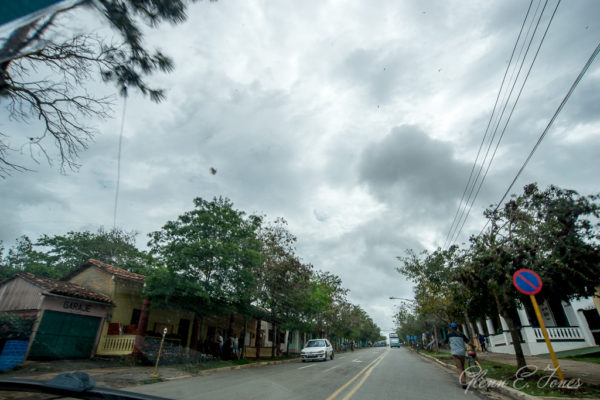
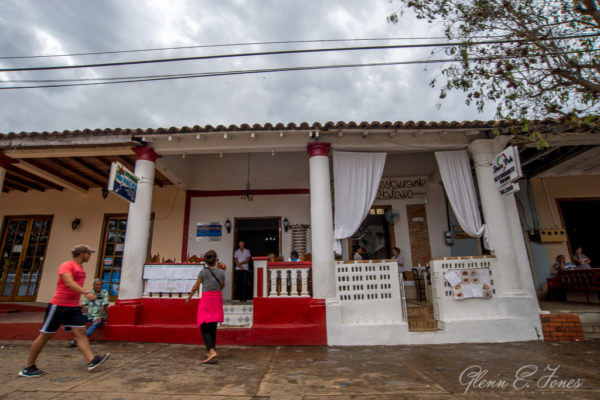
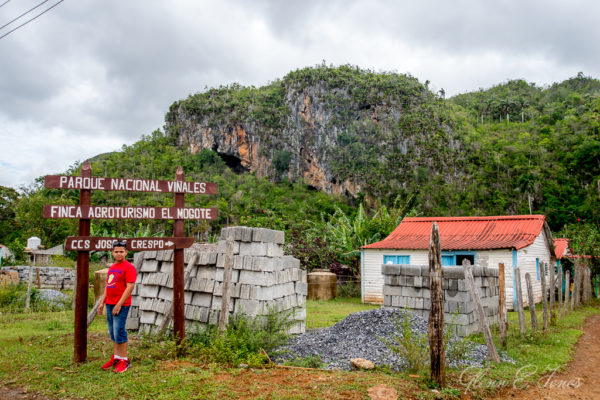
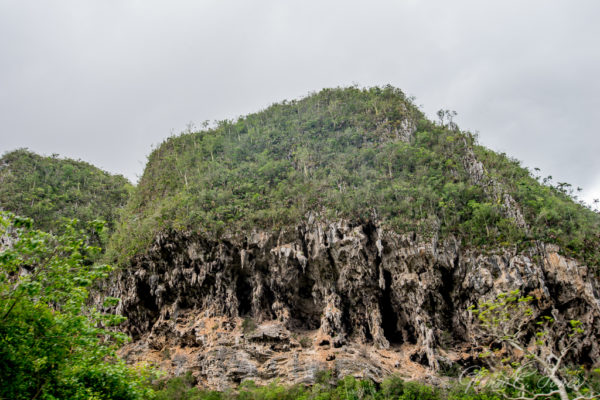
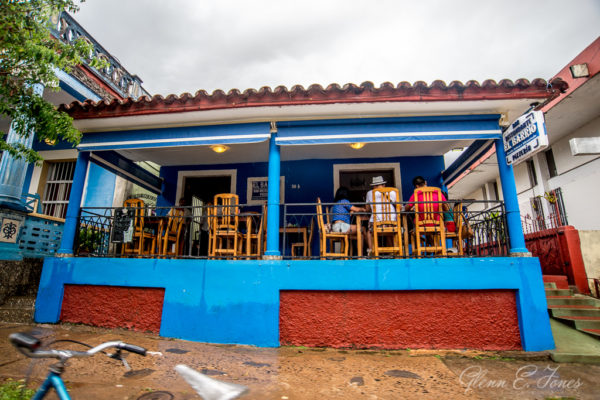
We reached the village of Viñales, finding a small community trapped in time. Here, the locals are taking advantage of this being a World UNESCO area and now a tourist destination. You can see numerous shops and cafes geared towards tourism. In the windows of a plethora of homes, we noticed signs advertising rooms for rent. Also visible, people (tourists) walking or riding bikes all over town. How can I tell the difference? Maybe it’s the “pale white” skin and black socks with plaid shorts and a map that could be the clear giveaway. Driving on, we headed towards tall mountains where you could see caves. We stopped several times for photos. Finally reaching “Cuevas del Indio,” we parked and had to wait (because of the crowds) to enter the cave. While waiting, we observed a Native Cuban Indian recreation. While some in the group found this re-creation offensive, it reminded me of something I might have seen in Jamestown, VA on a field trip as a child. I wandered away to capture a few shots. Taking pictures on cloudy, dreary days can be challenging, at least to me.
Cave Tour
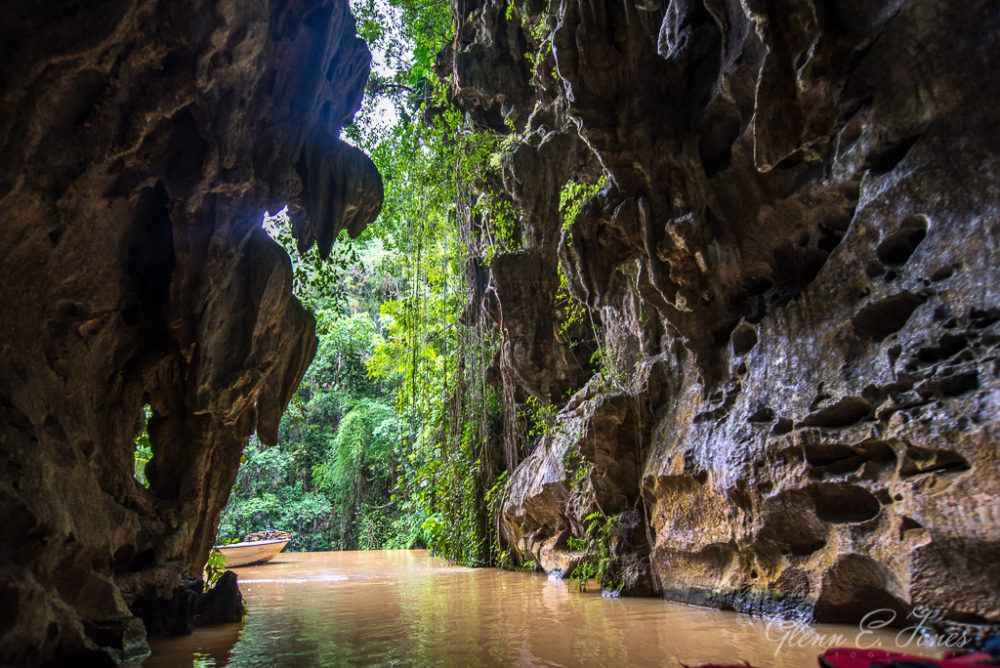
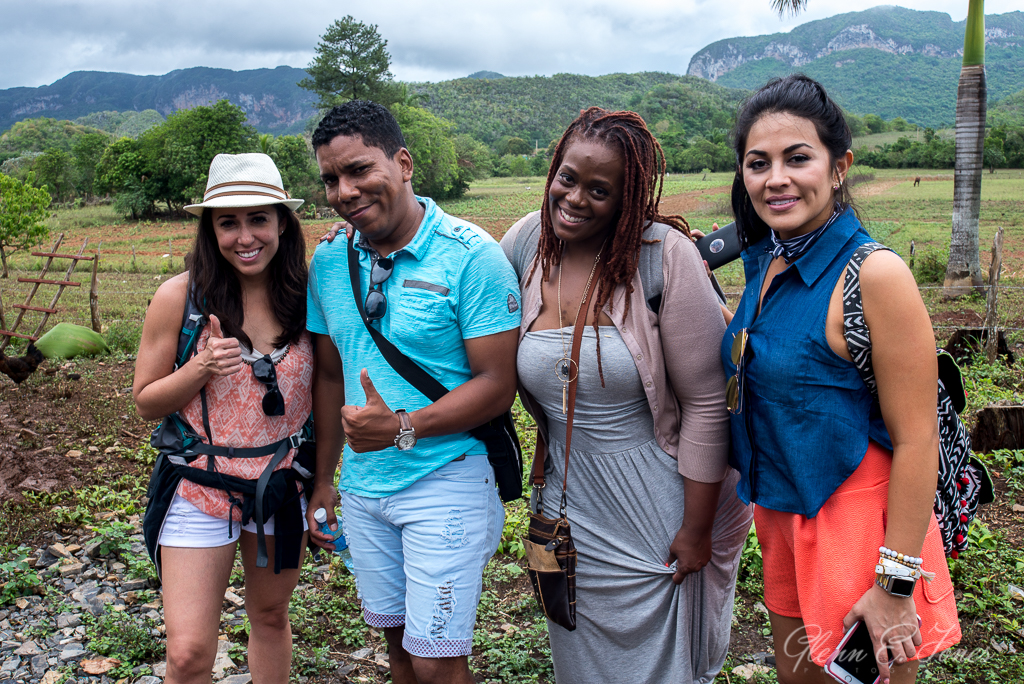
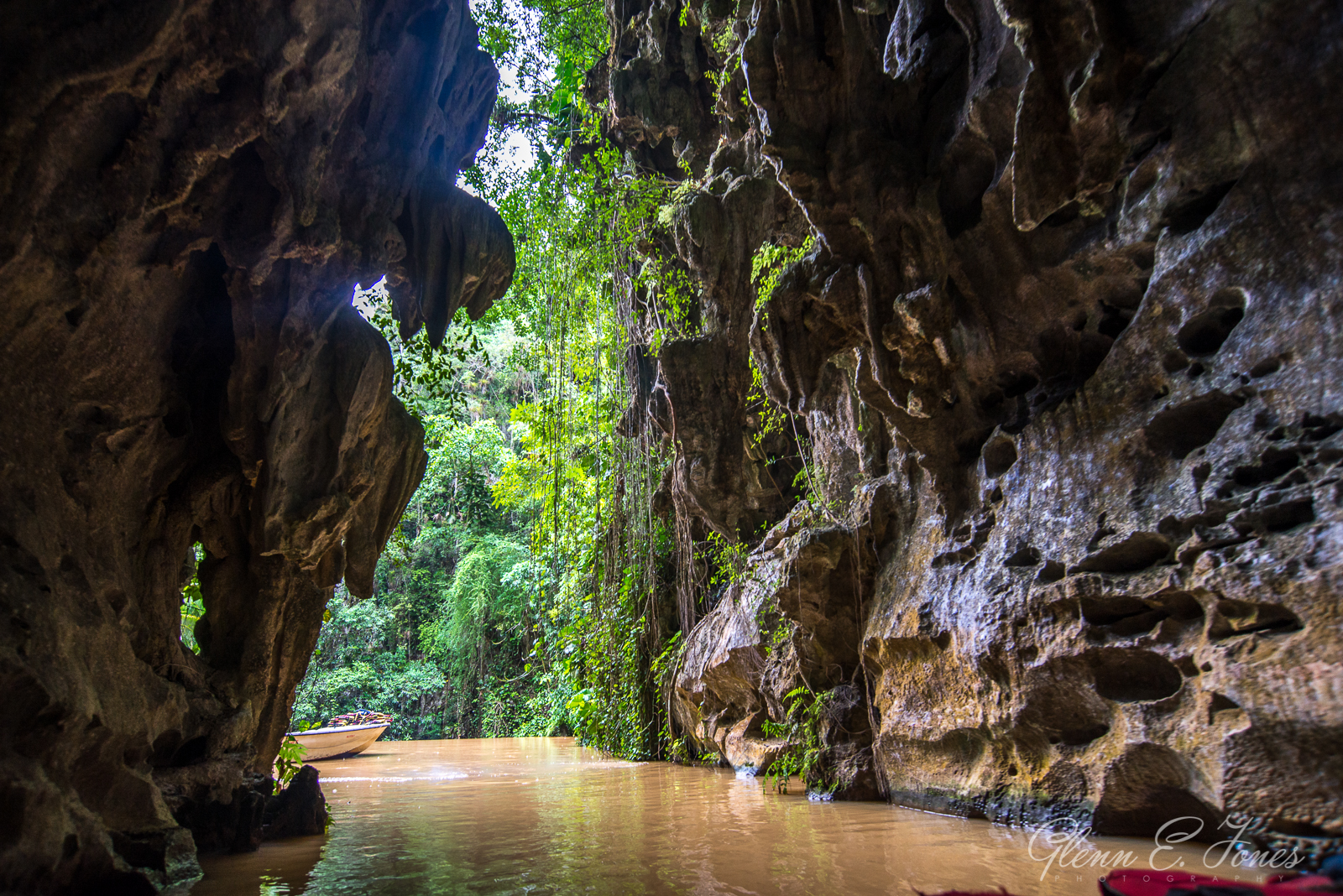
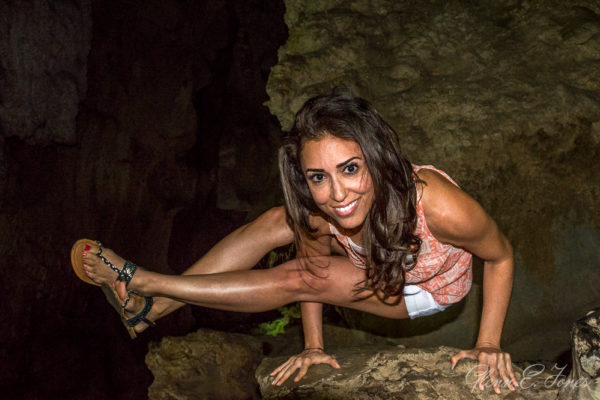
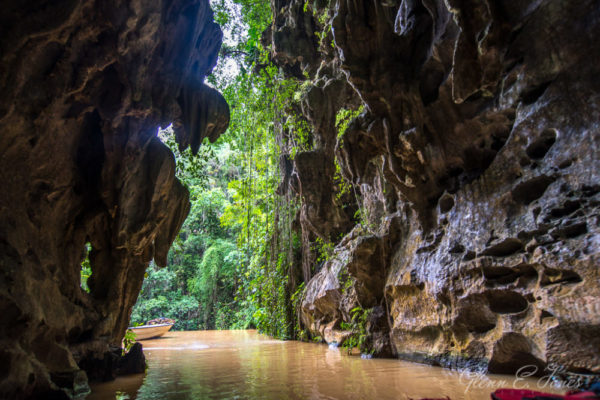
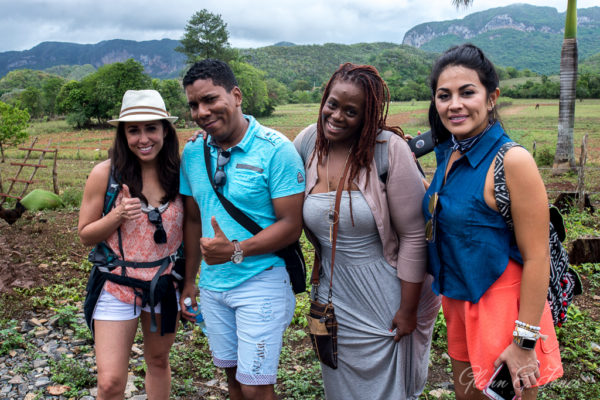
Wandering back, it was our time to enter the Cuevas del Indio. Slowly, climbing to slippery stairs to enter, I could only think about “Luray Caverns” in Virginia. I was a bit claustrophobic then. Hopefully, I’d outgrown it, I hadn’t. Once in the caves, I felt like cattle waiting to be herded. In front of us were probably 100 people in line to ride tour boats for further exploration of the caverns. At the same time, dripping water constantly reminded us that this place was still being formed. Entertaining us, Sonia began doing yoga poses on one flat surface, much to the delight of the crowd. Applause was heard throughout the cavern. Finally, we boarded the boat and began a more extensive tour. Here you could see the vast stalagmites of this cavern as the guide gave us the history of this amazing region. When we emerged, it was raining and the tour was just about over. We quickly but safely disembarked and scurried for cover. We took the obligatory tourist photos (Sonia & Alanna) outside of the cavern and then headed towards the cars. Now, it was time for lunch and then off to the cigar tour.
Cigar Tour
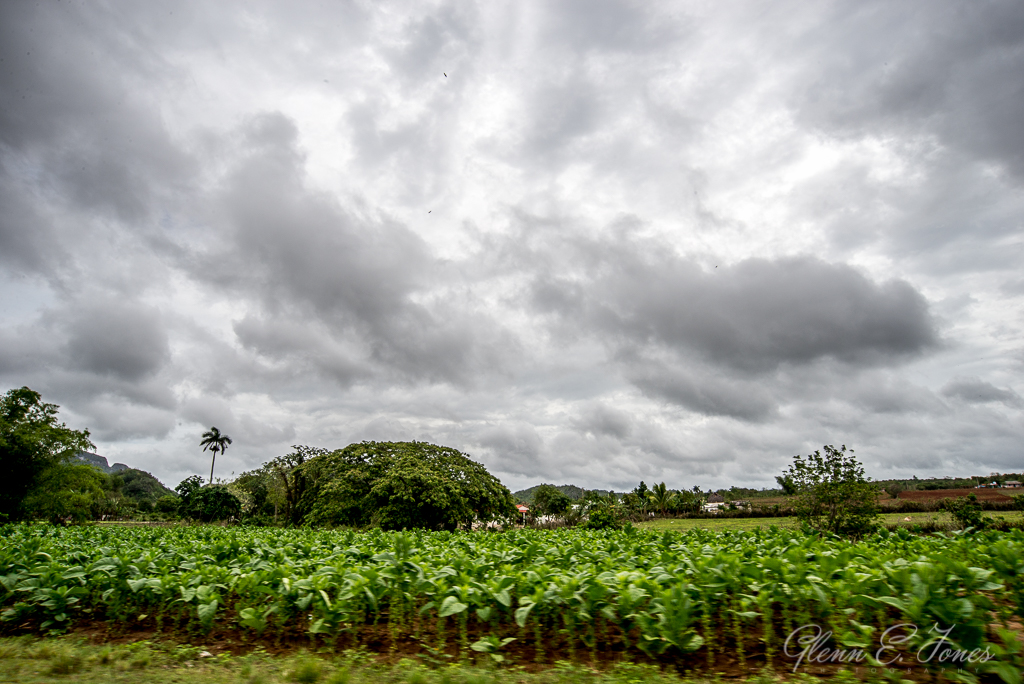
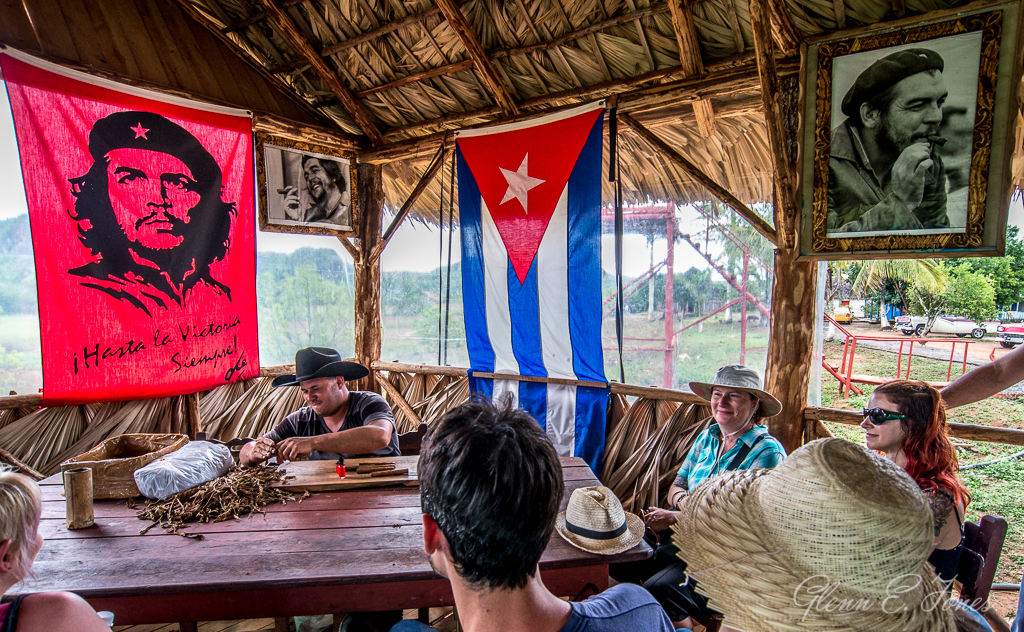
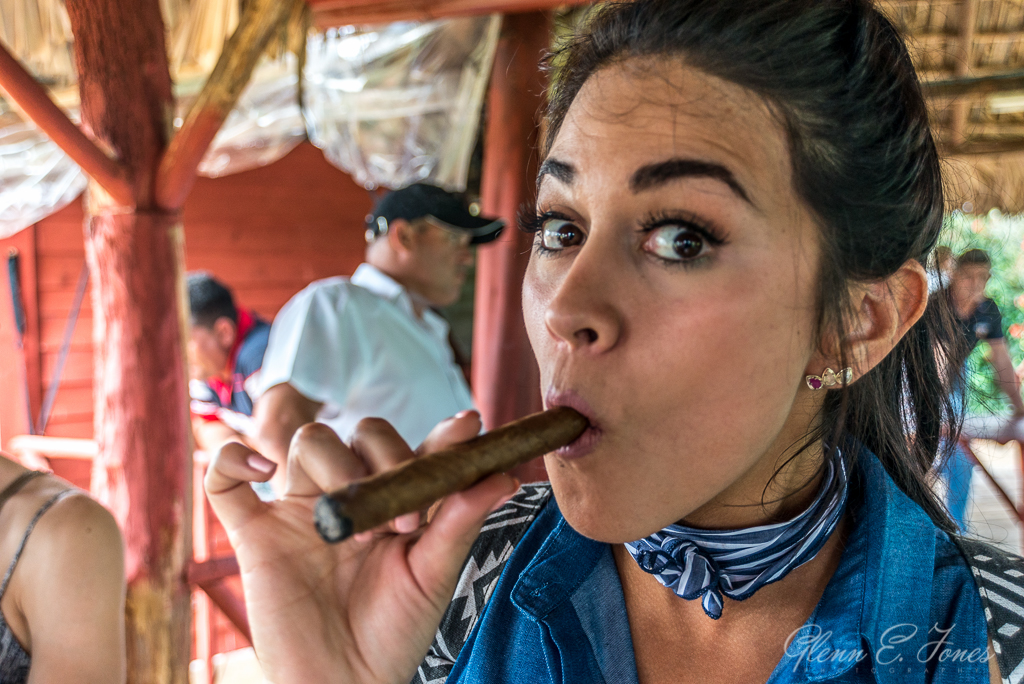
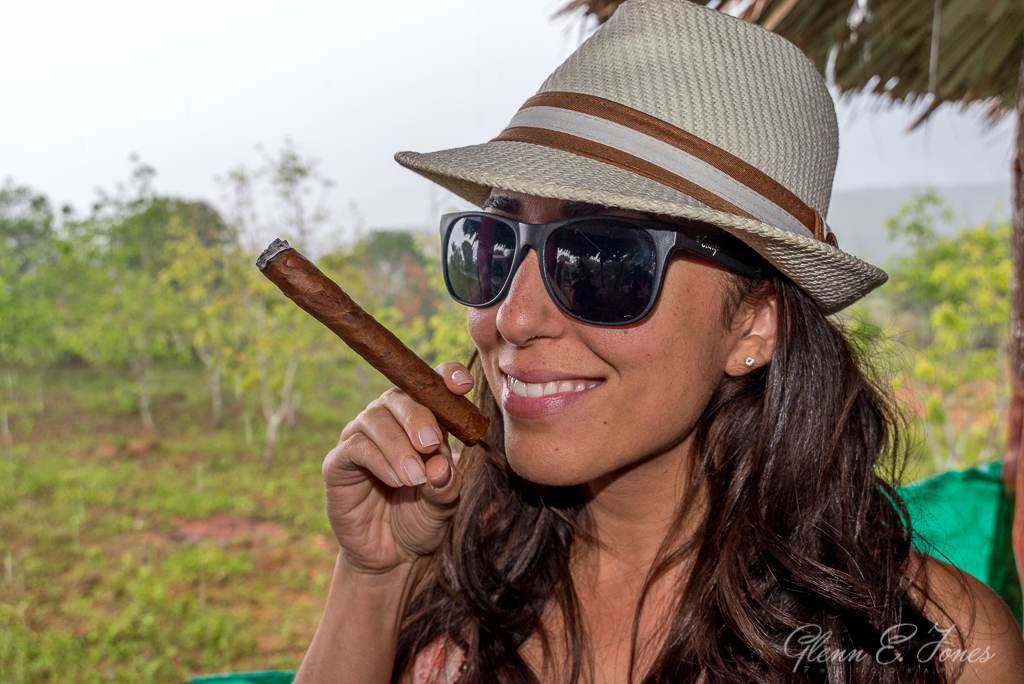
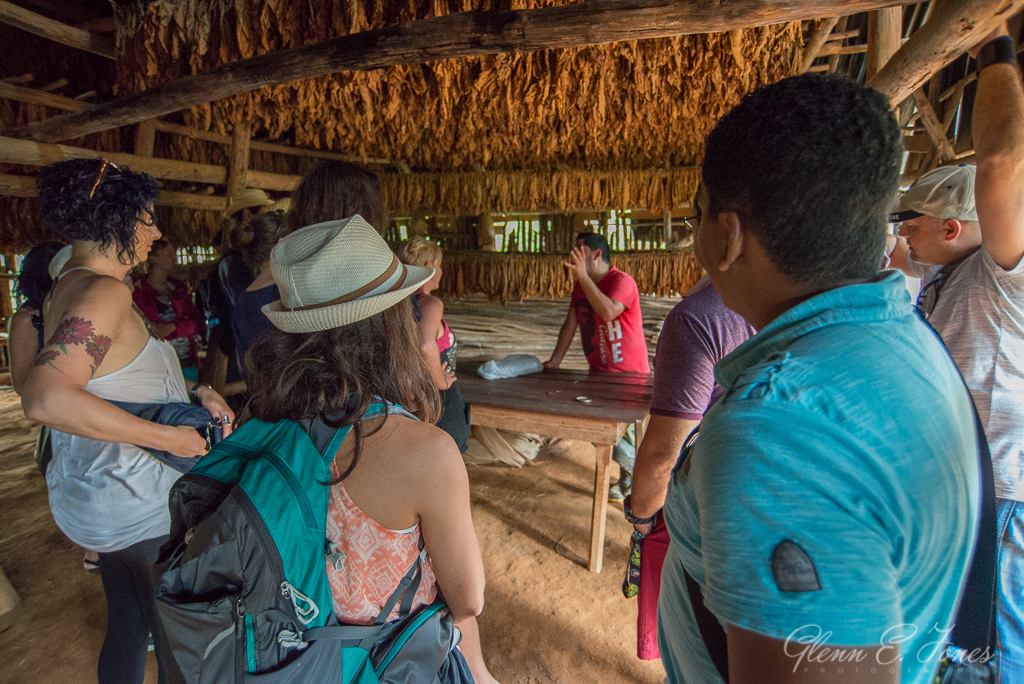
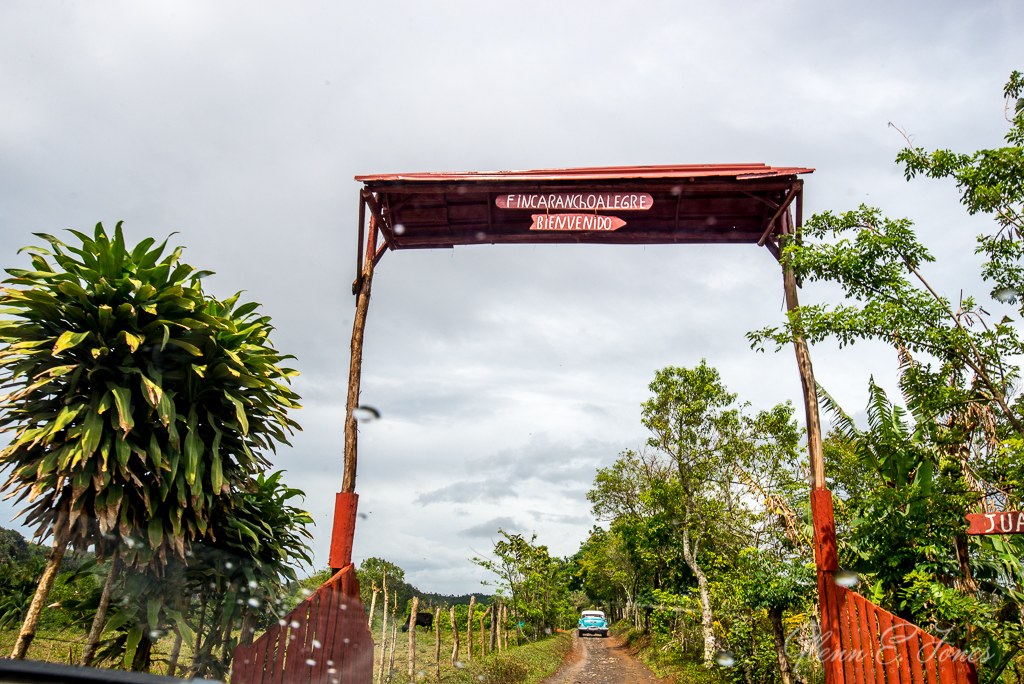
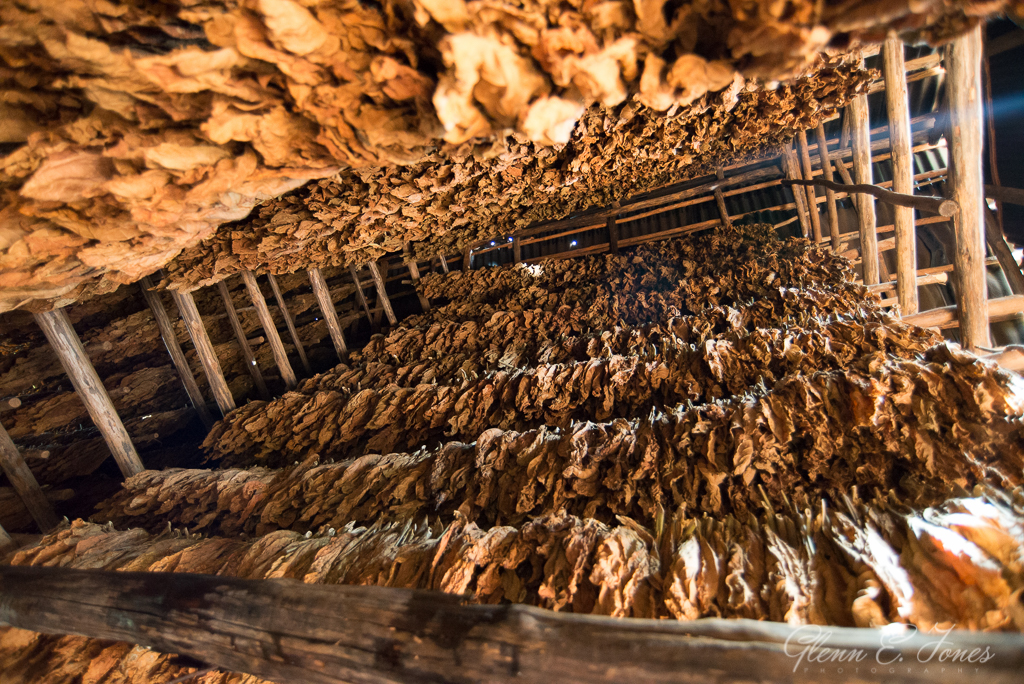
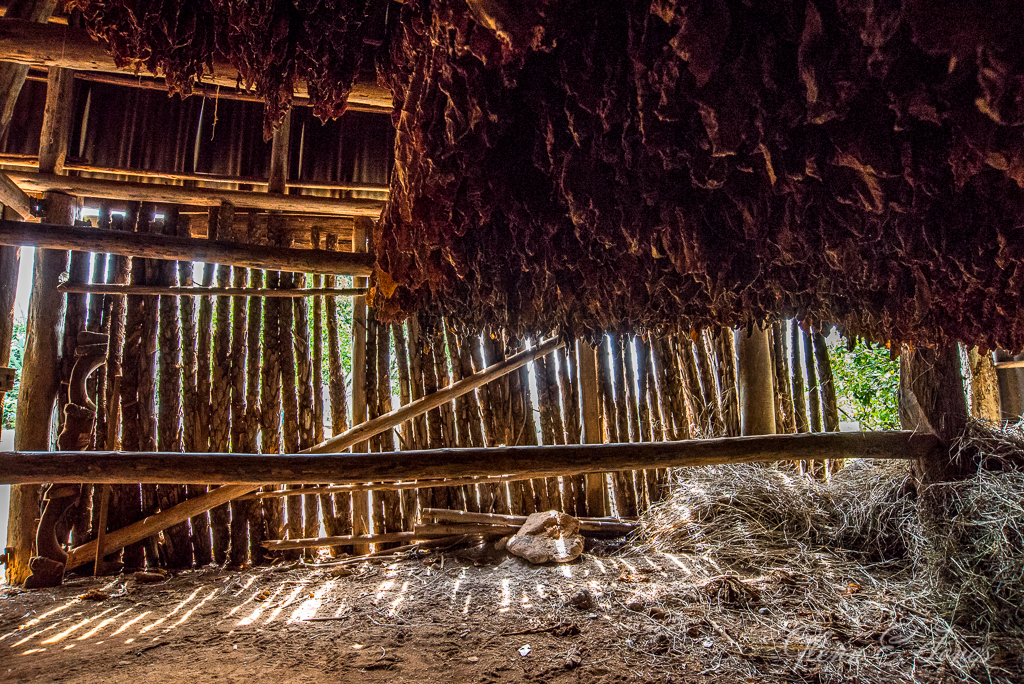
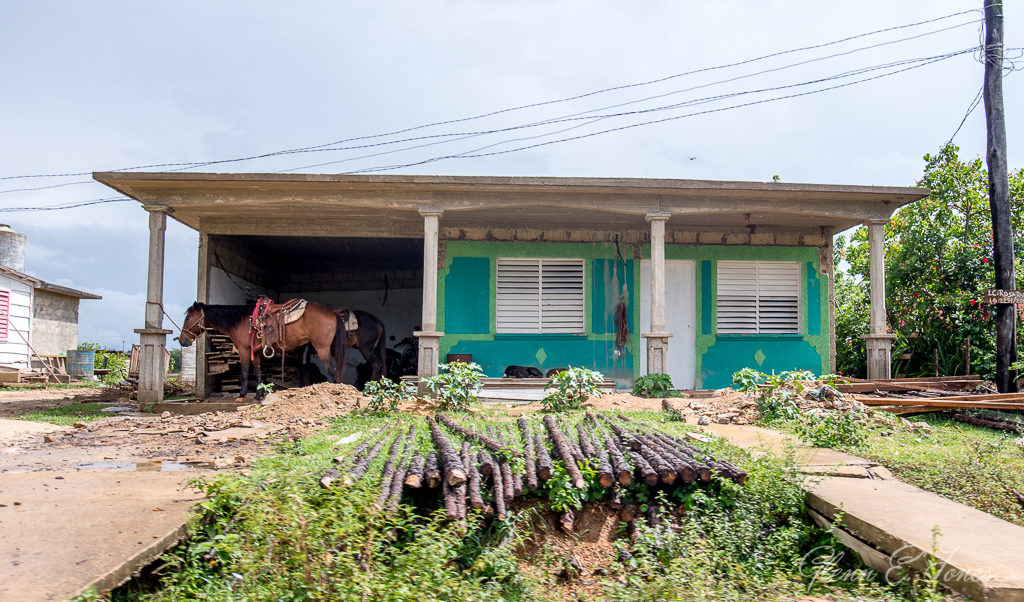
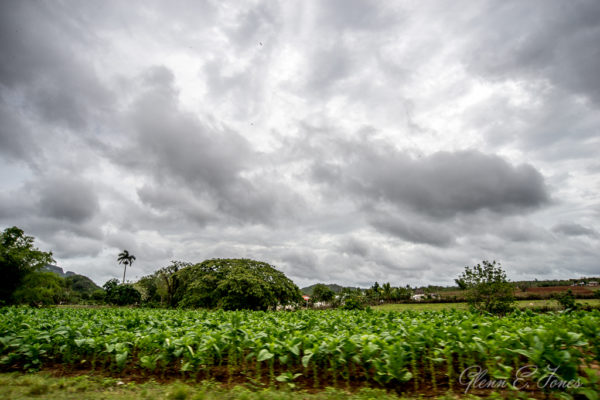
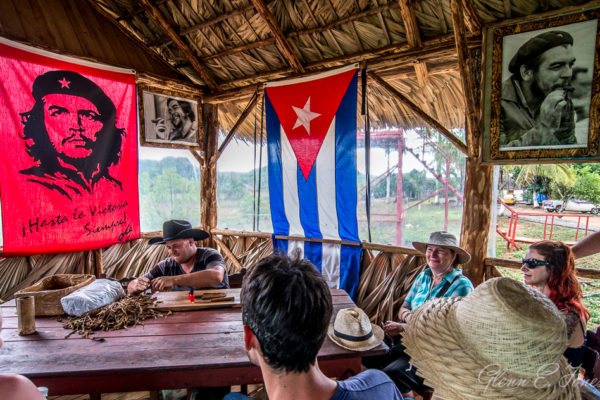
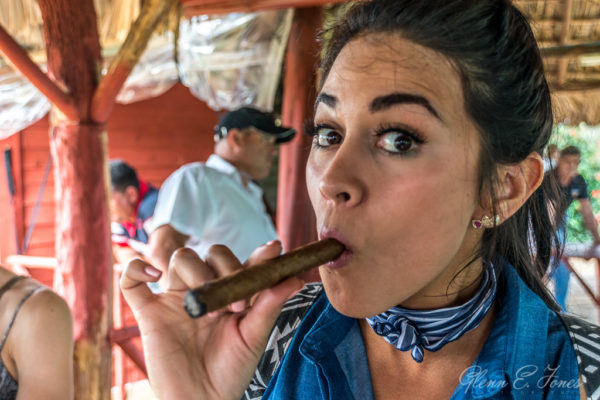
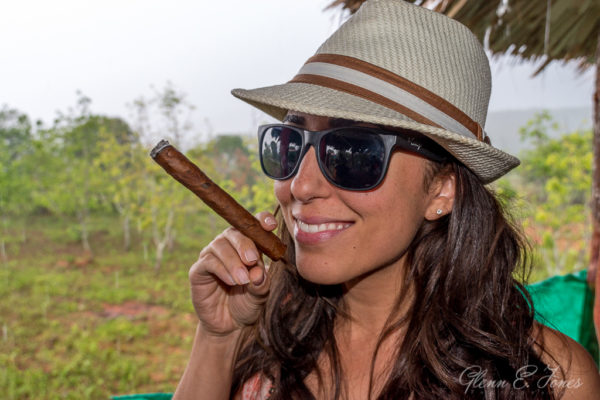
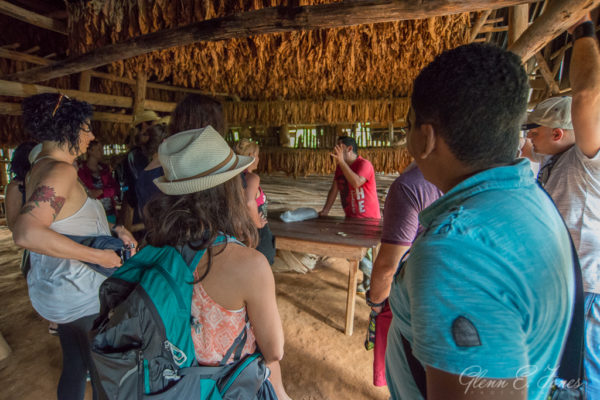
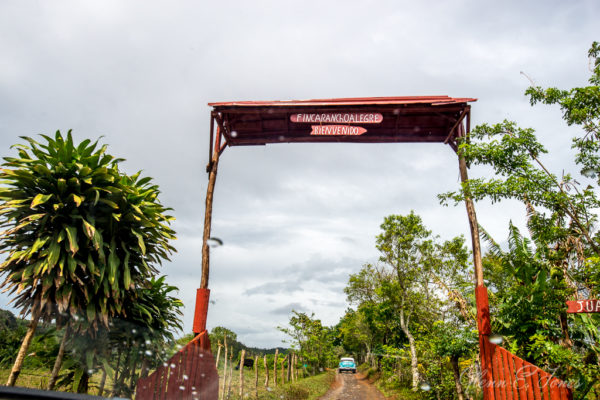
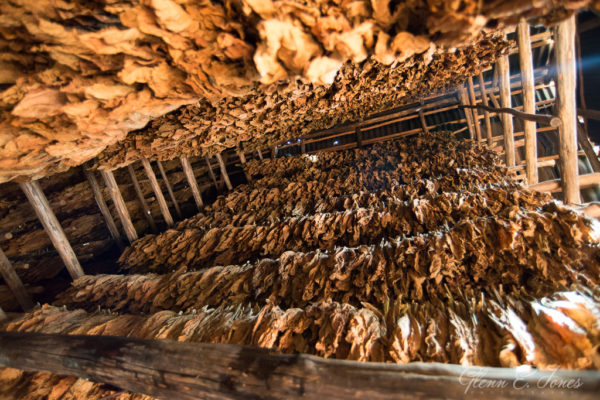
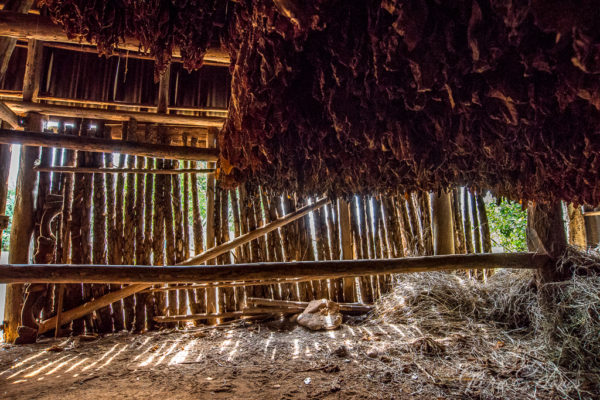
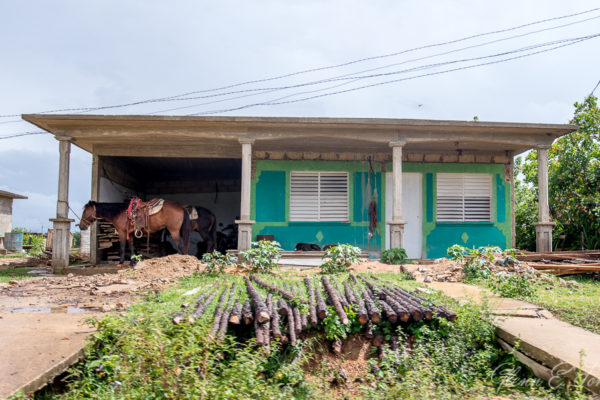
Turning off the main road, we drove down a long muddy road (driveway) towards the tobacco plantation for our tour. To the left you could see tobacco farms and the right small homes with horses in the front yard. Entering the farm, we got out and surveyed the terrain. Without the mountains, this could have easily been a farm in North Carolina’s “Tobacco Road.” This of course changed upon seeing the final product here. No cigarettes being made but cigars. This first part of the tour described the leaves and how they are prepared to become cigars. Above us, you can see thousands of leaves drying out, as this is an important part of the process. We later walked over to the cigar rolling process. In this room, there’s a old picture of Che Guevara and the Cuban flag displayed proudly. A Tobacco farmer in a cowboy hat showed us how generations of his ancestors roll cigars and then hand out samples. Clearly, this is a pitch to sell their product. The girls proudly took pictures with their samples. It was an exciting time. Departing, we had one stop to make (rain permitting) and then the drive back to Havana.
The Drive Home
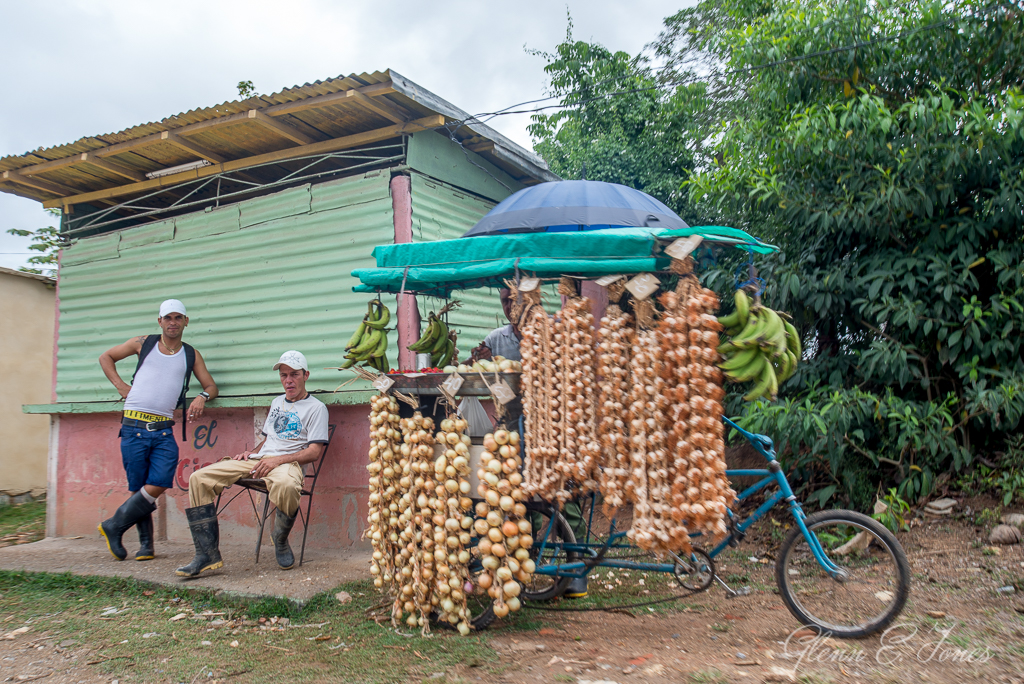
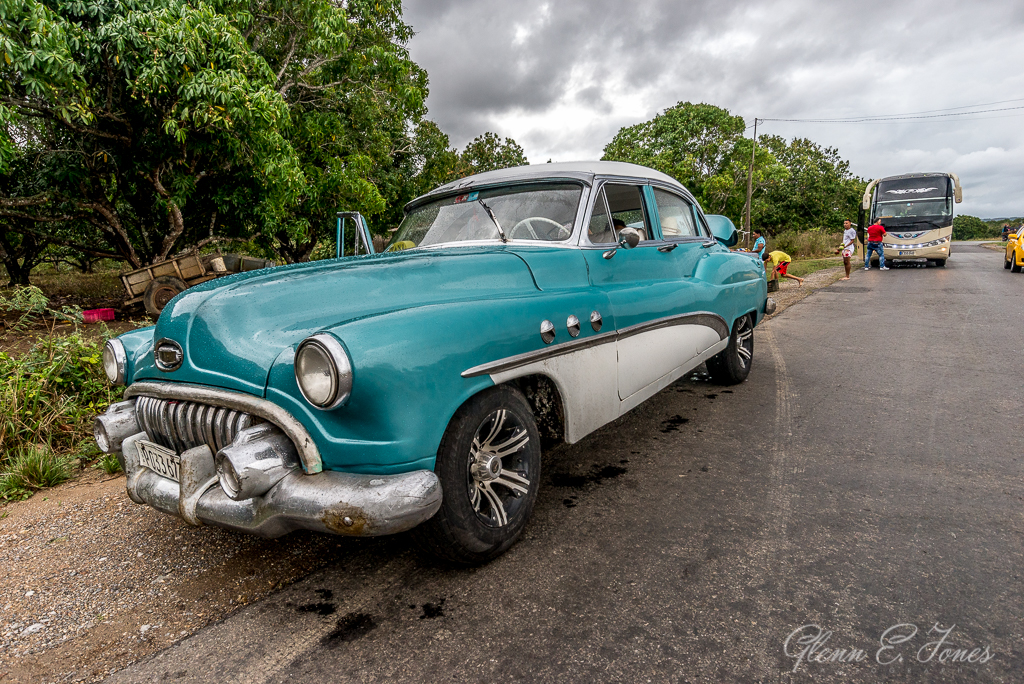
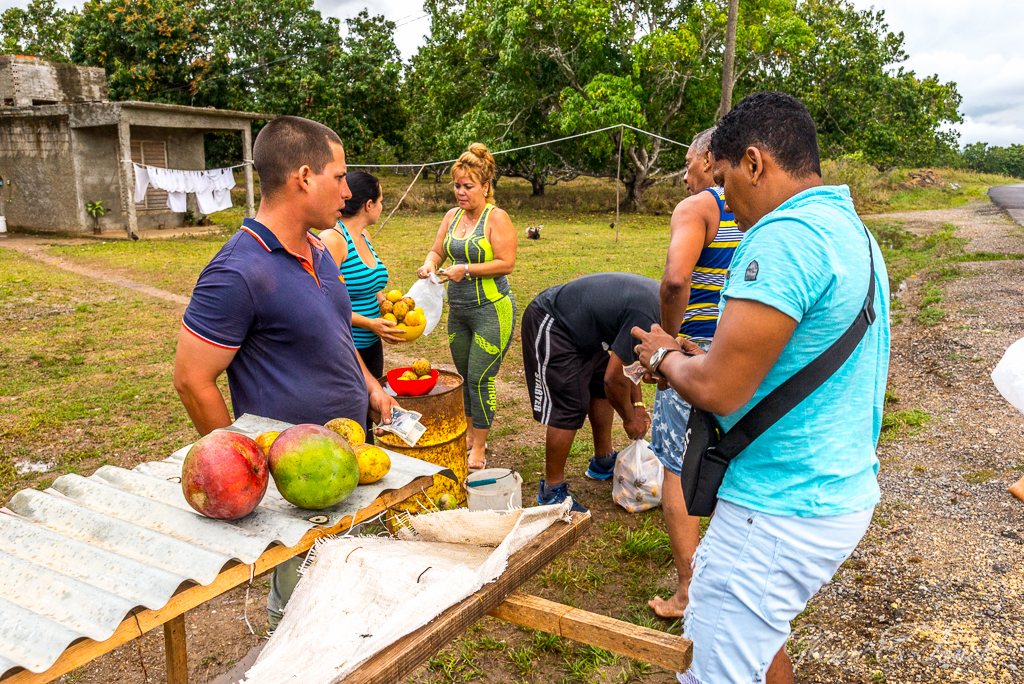
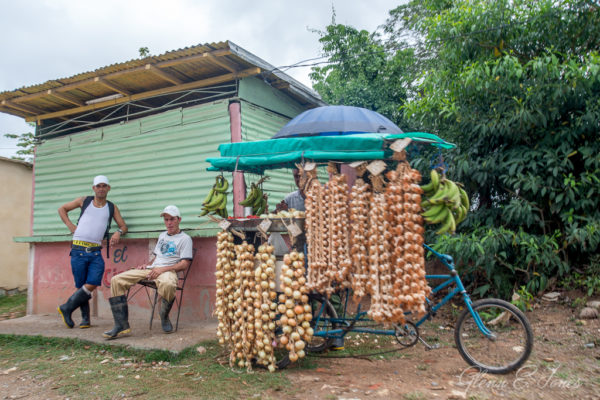
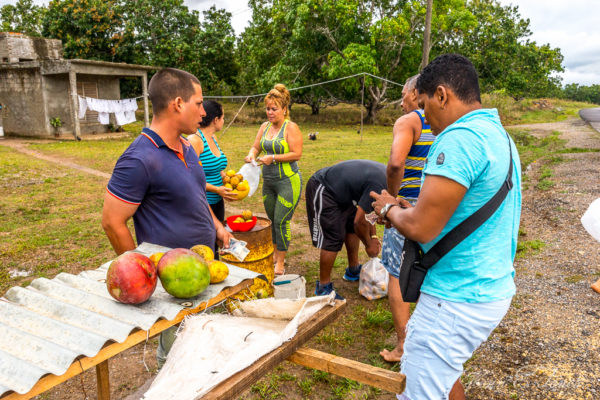
By this time rain had taken over, a slow drenching rain to be precise. There’s a mural here, painted on the side of a mountain. We so wanted to explore this, but mother nature had other thoughts. At least we got to see it, from the car. During a second rest area break, two of our group wanted to go to Havana for dinner, the others decided to head back home. I was a part of the latter group. The drive began innocently enough as we enjoyed the countryside, great conversation and the curvy roads. We stopped a few times to purchase Mangos and Pineapples on the side of the road. Harold and our driver were making deals to get the freshest produce they could. A whole bag for a dollar! You won’t find prices like that at HEB, Kroger or Farm Fresh. Behind one of the produce stands, a tour bus was pulled on the side of the road while the driver changed a windshield wiper blade. An interesting observation that proved to relevant later in this tale.
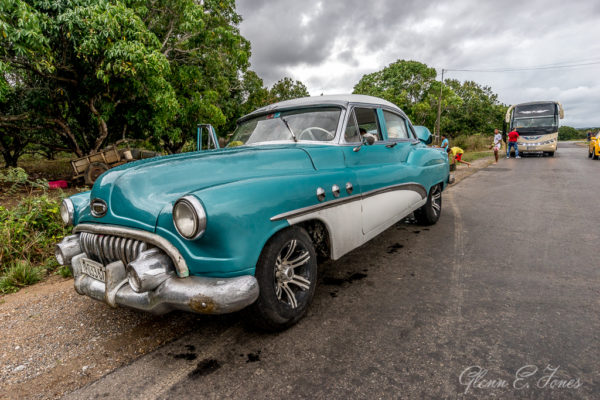
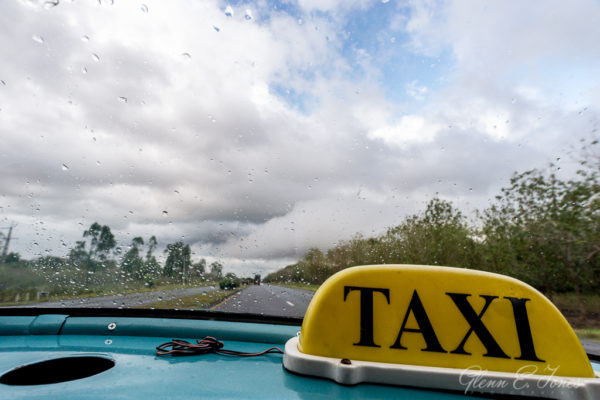
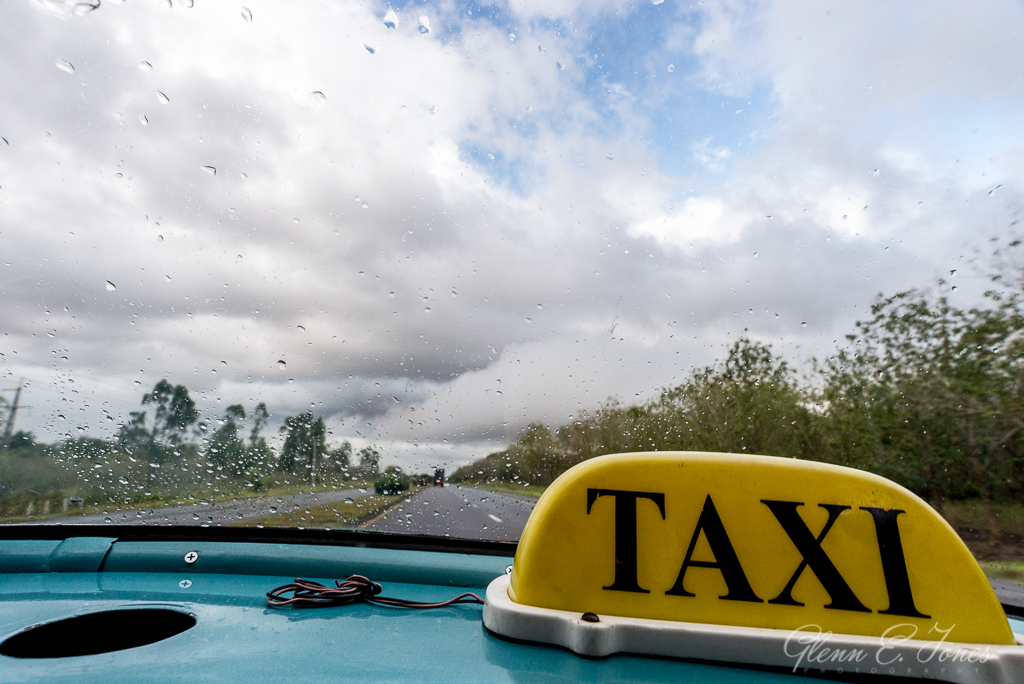
Driving on, the rain began coming down in buckets. At the same time, our 1950’s era car windshield wipers decided this would be the moment to stop working. I can tell you, in my 900 years on earth, I’ve never been a car going 70 mph when you can’t see beyond the hood. Unlike the interstates in America, there were no lights on the highway, no small towns with lights to guide us, and the striping on the road was not painted with reflective paint. We were heading into harms way, quickly. Earlier in the day at lunch, one of our group talked about surviving a horrific car crash in Atlanta. Right about now, she was in back seat quietly having flashbacks. Harold and I were playing the role of navigator and calming force, while Stacey, Sonia and Alanna talked quietly among themselves. Because of the torrential rain, It took much longer to get back home. You know it’s bad when it takes 10 minutes to navigate the off ramp because of the heavy rain and low visibility. We slowly drove through suburban Havana, searching for well lit streets while noticing flooded out cars. This storm caught many here by surprise. The sheer number of people out on foot, trying to wade through waist deep water to cross streets proved this theory. A car (Russian Lada) driving beside us went nose deep into a ditch right before our eyes, watching the back end of the vehicle rise high into the air. It appeared everyone was ok.
We finally made it home, and Claudia fixed tasty Cuban sandwiches for us to eat. We all sat and talked on the porch, and later learned this was the most rain in Cuba this year. There had been reports of flooding all over the region, and we were witness to some of it. But, we were back home. And all is good. Harold said, “After the rain usually comes beautiful day.” He was right.
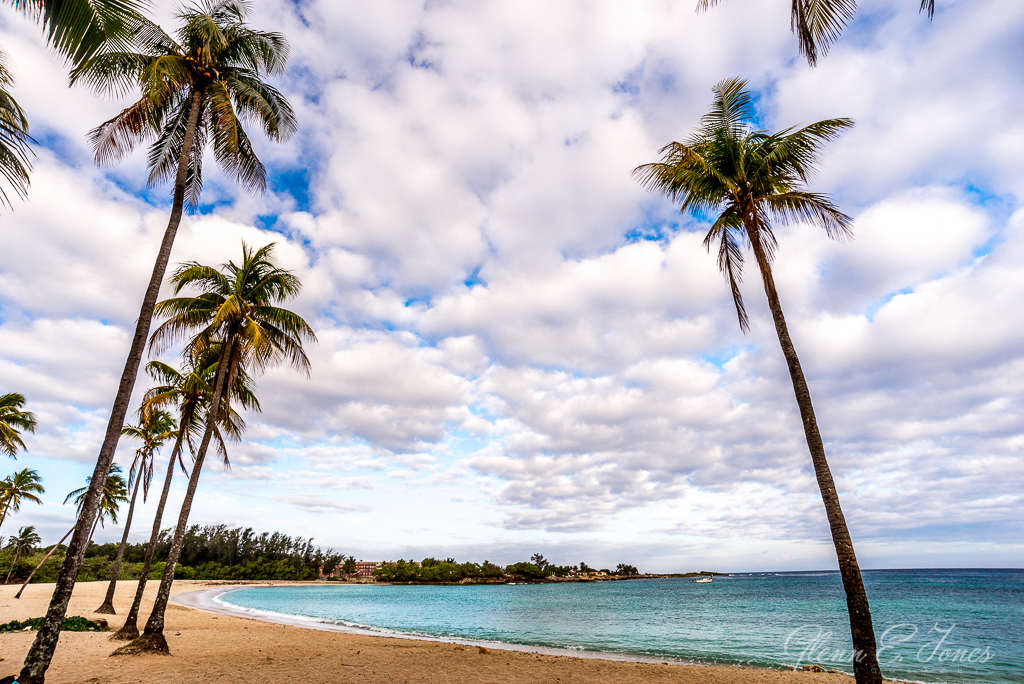
Next, the “Accidental Tourist” heads to the beach, and this wasn’t just any stretch of sand and sun.
Thanks for reading..
 The prices start at $59.99 for a 20-page book...